Nepal Needs Builders, Not Just Donors. Here's Where to Start!
Explainer29 August 20264 min read
Nepal needs builders, not just donors. Seven problems worth building, three days, one registration link: nepalhackathon.org/register.
By Dilisha Panta — Organiser, Nepal Hackathon
Seven problems worth building. Register first, everything else follows from that.
Register now for the Nepal flood response: https://www.nepalhackathon.org/register
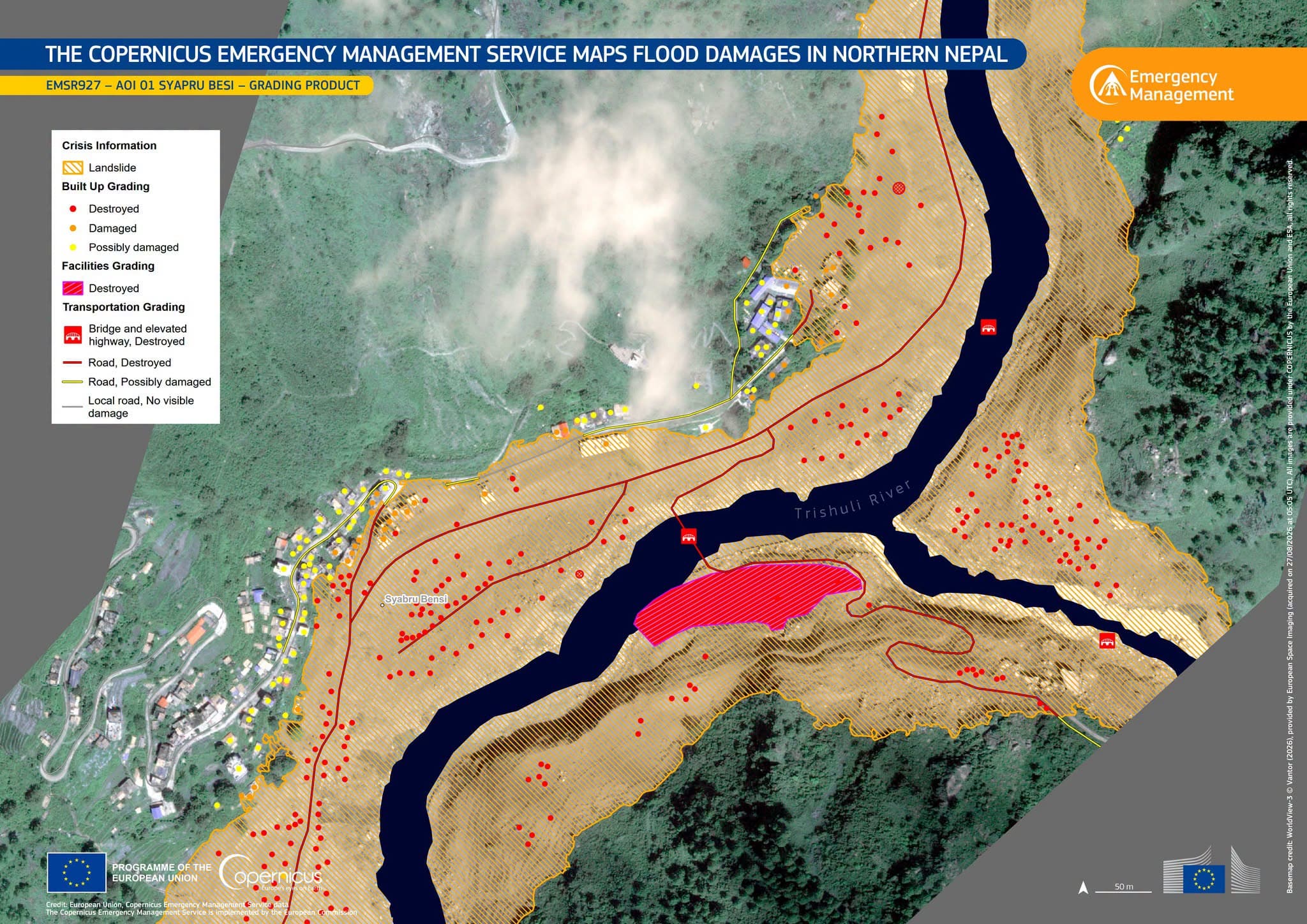
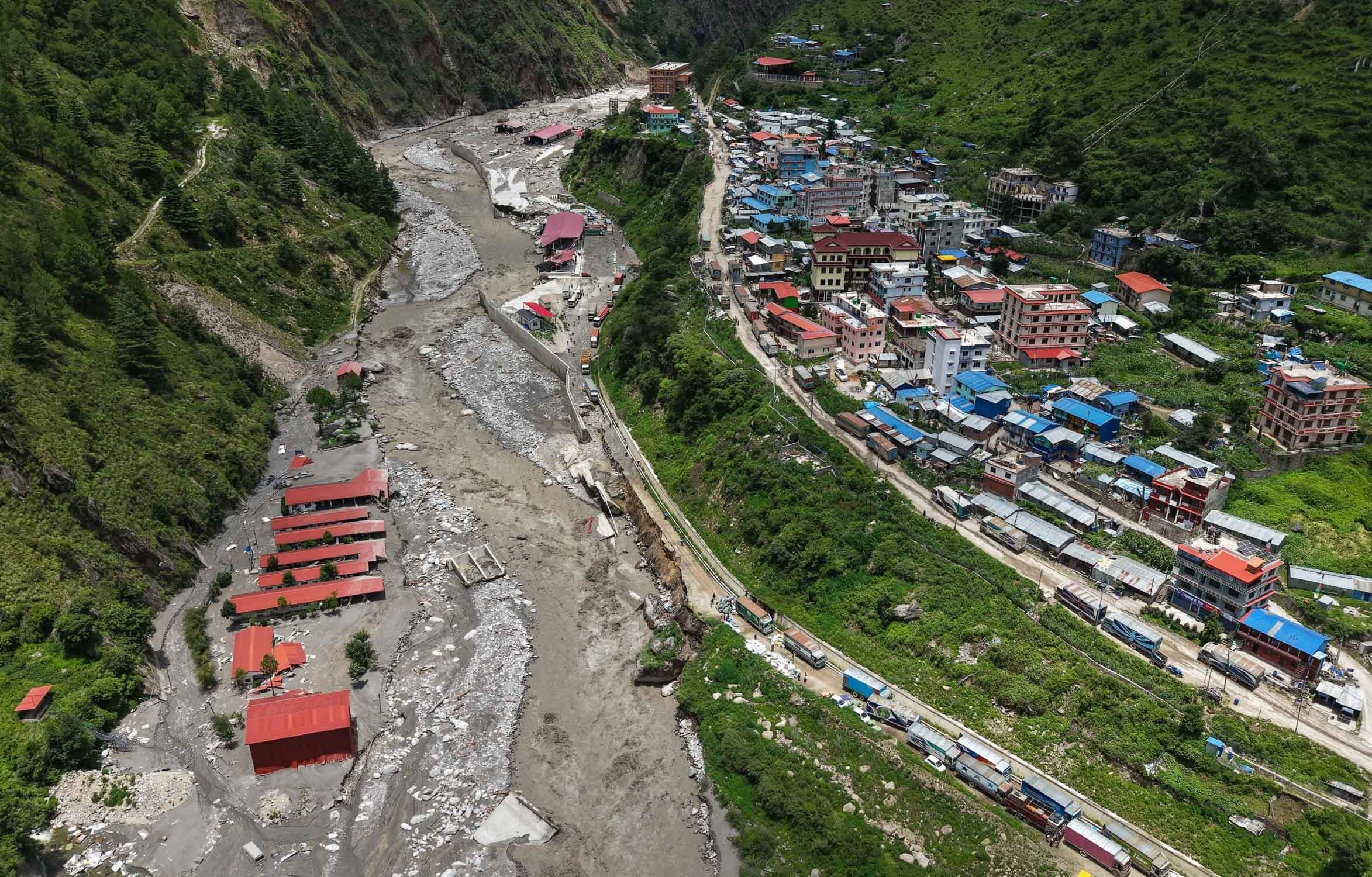
On August 26, a catastrophic flash flood tore through Rasuwa, devastating communities along the Bhote Koshi–Trishuli river system. Nepal's responders are already at work. What they need now is more hands — engineers, scientists, mappers, designers organized around the problems that actually matter on the ground.
That's what Nepal Hackathon is for. Here's what it looks like.
What We're Actually Asking Nepal Flood Volunteers For
Registration isn't a form for form's sake — it's how you get matched. Two things count separately:
Your expertise — what you personally know how to do: Data and GIS · Climate science · AI and engineering · Product and design · Economics · Drones and remote sensing · Communications · Fundraising · Cloud and compute · Private-sector partnerships · Field operations in Nepal · Translation (Nepali or other languages of Nepal)
What you can unlock — resources or access, yours or your organisation's. You don't need to operate it yourself: Cloud, API, or GPU credits · Satellite or GIS data · Drone equipment or operations · Connectivity · Imagery processing at scale · Technical mentoring · Communications support · Continuation funding · Introductions to institutions in Nepal · Coordination
If you tick even one box on either list, that's enough to register.
None of this needs you in Nepal. It needs your skills or your access pointed at a problem someone on the ground says matters. Three hours, three days, or three months, whatever you have.
How the Nepal Hackathon Three Days Work
01 — Kickoff. Saturday evening PT / Sunday morning NPT. Nepal-based teams brief everyone on the situation, what's already under way, and where help would make a difference. Teams form around those requests. About ninety minutes.
02 — Build. Sunday. Build, map, analyse. Short expert briefings and checkpoints through the day keep teams pointed at something achievable, not something impressive.
03 — Hand over. The following week. Nepal-side owners review what was made and decide what continues. The strongest projects get connected to thirty days of funding, technology, or technical support.
Seven Things Worth Building for the Nepal Flood Response
These are starting points, not assignments. Some are already under way — the real shape of each project gets set at kickoff by the teams doing the work.
1. Alert and monitoring The signals mostly exist — weather and melt anomalies, snow loss, river gauges, remote sensing — just scattered across separate systems. Combine them and test whether they flag danger earlier than what's in place now.
Weekend output: Backtest a recent event, prototype a risk score, dashboard, or API.
Skills: Data and GIS · Climate science · AI and engineering
2. Danger zones Map what's actually downstream of an event — settlements, roads, bridges, schools, health facilities, hydropower, trekking routes. Most of it's already mapped, just never in one view.
Weekend output: An integrated map for one priority area, plus a list of missing data.
Skills: Data and GIS · Drones and remote sensing · Climate science
3. Climate-warming risk Find where glaciers, glacial lakes, snow cover, and terrain are changing fastest. Nepal and ICIMOD hold the expertise and much of the data; outside teams can bring newer imagery and the compute to compare it at scale.
Longer-term output: An updated risk-monitoring layer or expert-review watchlist.
Skills: Climate science · Drones and remote sensing · Cloud and compute
4. Risk, inequality and development The same flood does very different damage depending on road access, communications, healthcare, and how fast a community can recover. The data to show that — and where investment would help most — already exists.
Longer-term output: A pilot resilience or investment-priority map for one region.
Skills: Data and GIS · Economics · Product and design
5. Drones and remote sensing Drone teams in Nepal are already flying. The bottleneck is turning footage into damage maps and searchable imagery fast enough to matter — work that can happen from anywhere.
Weekend output: A drone-to-map workflow, and a list of what local operators need to scale it.
Skills: Drones and remote sensing · AI and engineering · Cloud and compute
6. Public health and continuity of care A disaster creates shortages now and exposes what was already thin — healthcare access, medicine, water, transport. The job is adding capacity to Nepal's existing health-emergency institutions, not building something parallel.
Weekend output: A data, matching, or visualisation tool supporting an existing coordination effort — or a prototype showing which communities lose trauma, maternal, or medicine access when a road or facility fails.
Skills: Data and GIS · Product and design · AI and engineering
7. Environment, watersheds and recovery A flood this size reshapes rivers, moves sediment, damages farmland, and creates new landslide risk. How things get rebuilt either reduces the next disaster or repeats it.
Longer-term output: Working with Nepal-based scientists and engineers to map the damage, the secondary risks, and where rebuilding could break the cycle.
Skills: Climate science · Data and GIS · Economics
Register for the Nepal flood response here: https://www.nepalhackathon.org/register
It goes straight to Nepal-side Problem Leads, who match you to a team before kickoff.
- Nepal flood volunteer
- Nepal Hackathon registration
- Nepal flood response 2026
- volunteer skills Nepal flood
- Bhote Koshi Trishuli flood